
Can body armor protect the whole body?
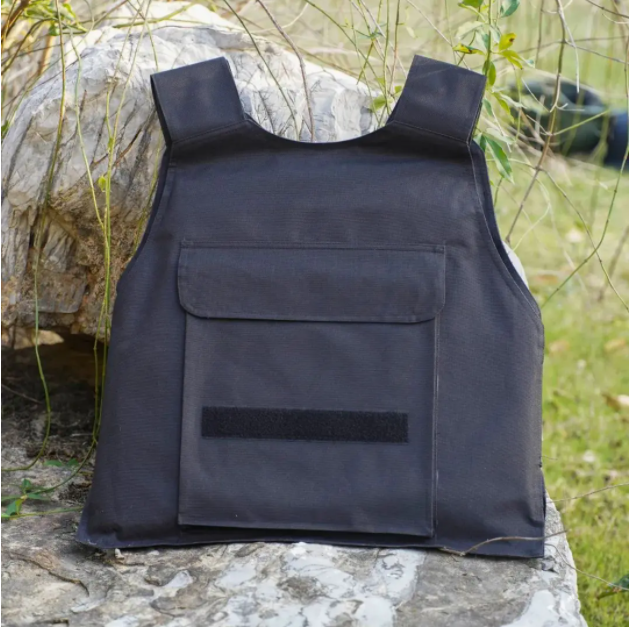
The answer is obviously no. There is only one type of body armor in the world that can protect the entire body - a tank.
Regular military body armor actually only has a bulletproof plate added to the chest and abdomen area, similar to the "heart protector" on ancient battlefield armor, to protect vital areas.

Even body armor with only front and back plates has sparked controversy in various military forces. The weight of the bulletproof vest not only slows down the soldier's mobility and increases fatigue but also affects their reaction time for shooting.

So, even with just front and back ceramic bulletproof plates (weighing close to 6 kilograms), it still imposes a significant burden on the soldiers. Sometimes, only inserting a plate in the front is done because the likelihood of getting shot in the back is not as high.
02
Why wear body armor?
The most common causes of death on the battlefield are two-fold:
1. Being shot in the head or being hit by shrapnel from explosions.
2. Injuries to the chest and abdomen.
These two causes account for approximately 80% of battlefield deaths. Injuries to the limbs often result in disabilities rather than immediate death.
Therefore, wearing a helmet and body armor on the battlefield can reduce the mortality rate.
There are also personnel in special occupations who need to wear body armor, such as security guards transporting cash or armed police officers carrying out counter-terrorism missions. They often encounter gunfire from criminals.

Most ordinary people, unless they are important individuals, are unlikely to be targeted by snipers. However, there are exceptions to this.
During the turmoil in the Balkan Peninsula, Sarajevo was besieged by the Yugoslav People's Army and the Bosnian Serb Army from April 5, 1992, to February 29, 1996. During these three years, there were Serbian armed snipers positioned on surrounding high grounds and in abandoned buildings, resulting in many civilians being shot while walking on the streets. If they had been wearing a bulletproof vest under their coats, they could have avoided harm.
In the Bosnian War, numerous firearms ended up in the hands of civilians. In such an environment, where gun violence was common due to the struggle for food and various items, even the most ordinary civilians should consider equipping themselves with bulletproof clothing.
03
What materials are used for bulletproof vests?
Bulletproof vests can be categorized into soft and hard types. Soft bulletproof vests are typically made of multiple layers of specially woven Kevlar and PE fiber fabric. These vests can resist penetration from light firearms and provide a comfortable fit, but they lack sufficient protection against more powerful bullets.
Additionally, the fibers in soft bulletproof vests can degrade over time due to exposure to sunlight and sweat, making them prone to aging. In terms of cost-effectiveness, bulletproof plates are clearly a better option.

Hard bulletproof vests involve inserting various types of bulletproof plates into the bulletproof vest. The materials used for bulletproof plates include steel, Kevlar, PE, ceramic, and ceramic-PE composite.
Steel bulletproof plates are very inexpensive but have the drawback of being very heavy. They are not typically used on the battlefield, but occasionally can be seen on security personnel or auxiliary police in less developed countries.
Kevlar bulletproof plates were the earliest successful high polymer materials used in bulletproof vests. A better alternative to Kevlar in recent years is ultra-high molecular weight polyethylene (PE). Ordinary PE material is a soft plastic, but when the molecules are aligned in a long chain, it becomes the strongest material. This principle is similar to how carbon molecules in graphite, which appears soft, can become ultra-high-strength materials like carbon fibers, diamonds, and graphene when properly arranged.

Among the current bulletproof plate materials, PE is the lightest. However, the highest protection level that PE can achieve is Level 4, which is sufficient against handguns, lightweight submachine guns, and improvised firearms used by criminals, but it cannot withstand rifles and sniper rifles.
 SENKEN To Showcase Advanced Emergency Vehicle Warning Systems At The 140th Canton Fair
  SENKEN National Day Holiday Notice
  SENKEN Holiday Notice Of Mid-Autumn Festival
  SENKEN at FIRE INDIA 2026 International Fire & Emergency Response Expo
 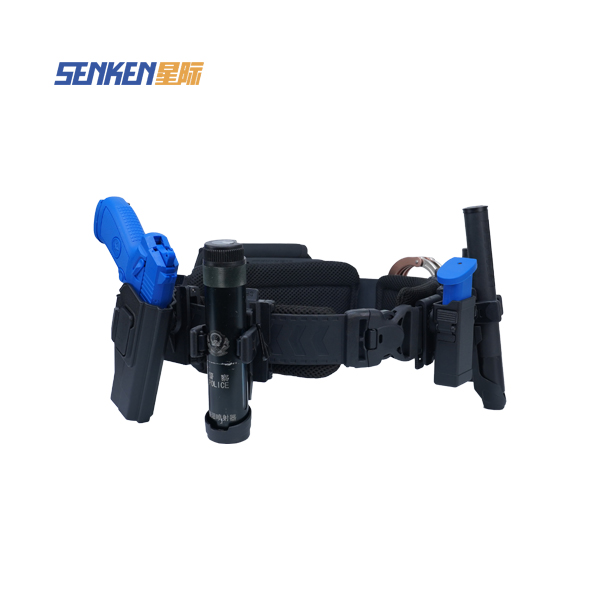 SENKEN New Arrival : Police Belt YD-H-XJ01
  SENKEN Handcuff chain-link Carbon Steel SK-180
 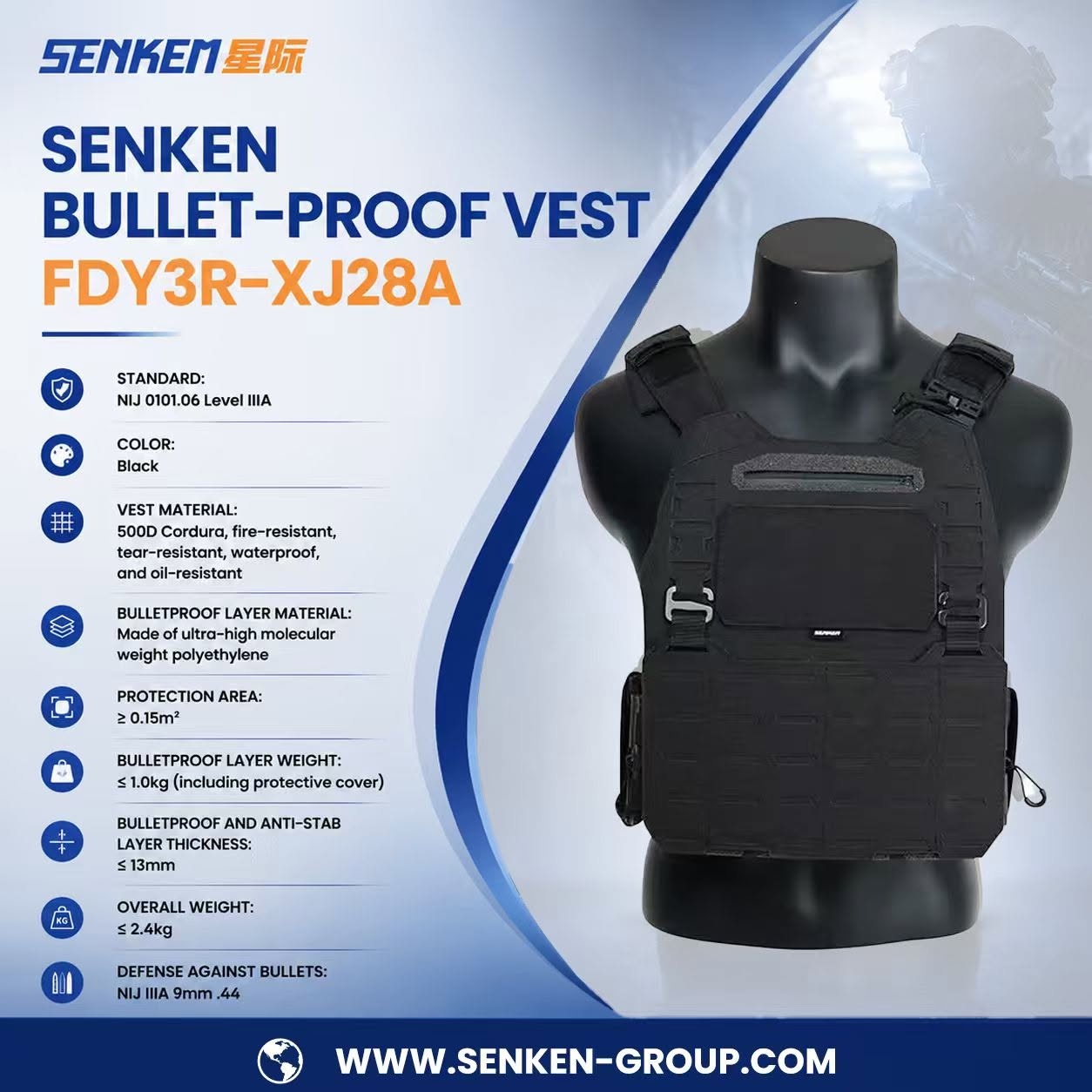 SENKEN Launch FDY3R-XJ28A NIJ IIIA Tactical Bulletproof Vest
 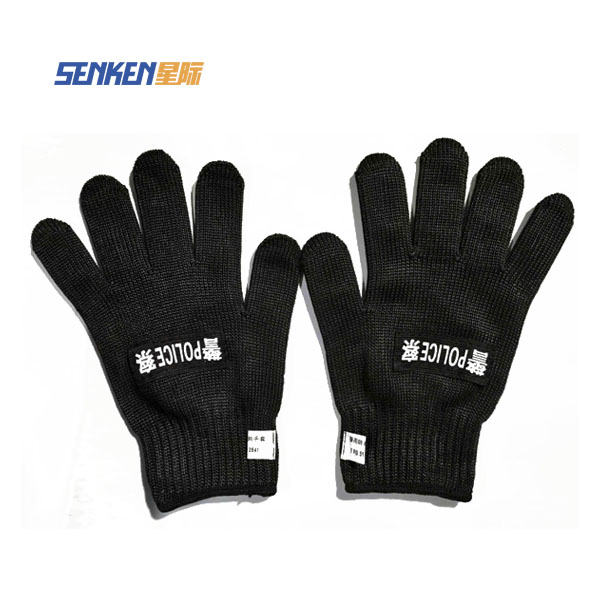 SENKEN Brand-New Anti-cut Gloves FGST-SK01
 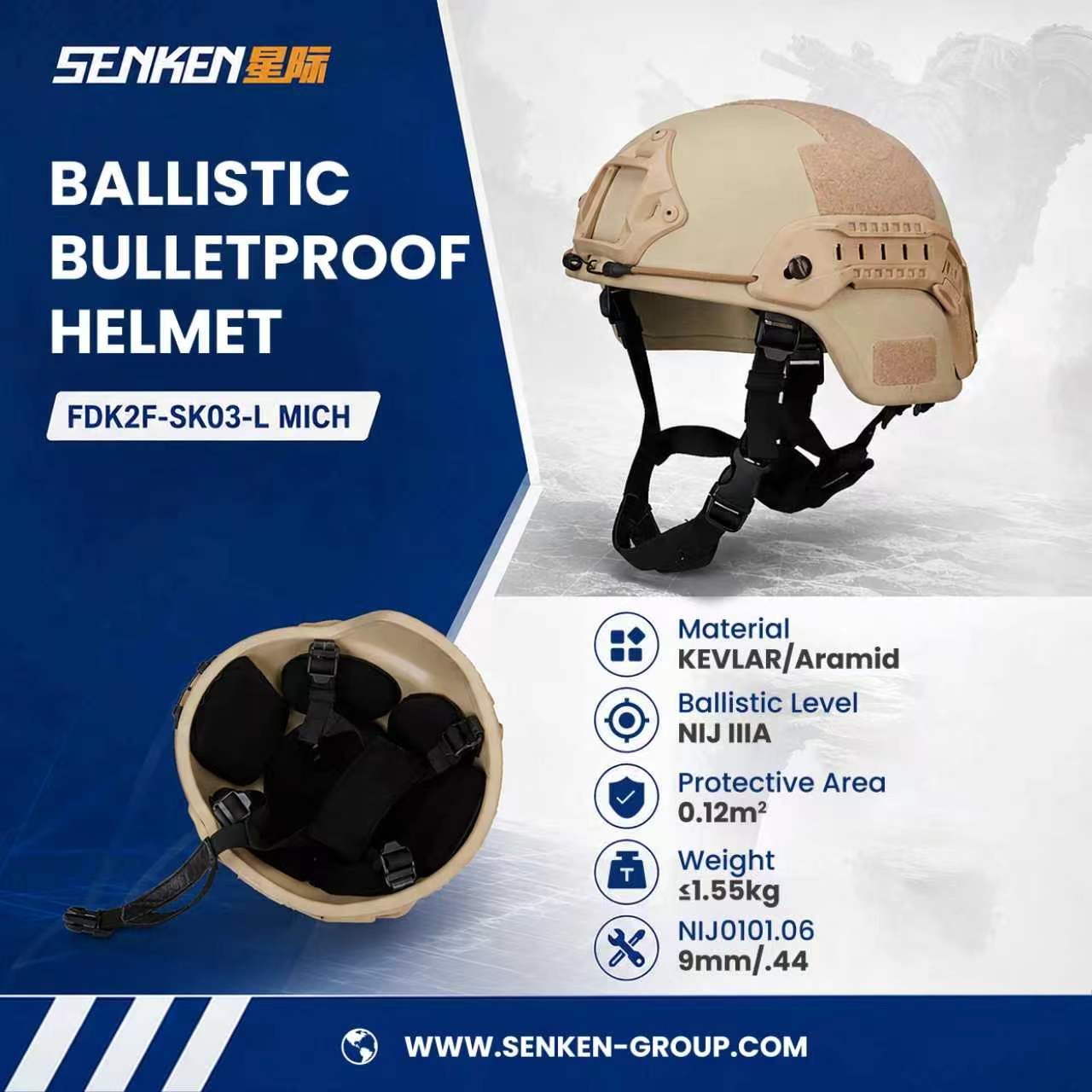 SENKEN Launches New NIJ IIIA MICH Ballistic Helmet
  SENKEN New Product FDY2R-XJ27 Bulletproof Vest
  Hit the scene in Hannover! 27 The M14 SENKEN booth is very popular!
  SENKEN's Invitation for INTERSCHUTZ 2026
  SENKEN NEW POLICE BARRICADES
 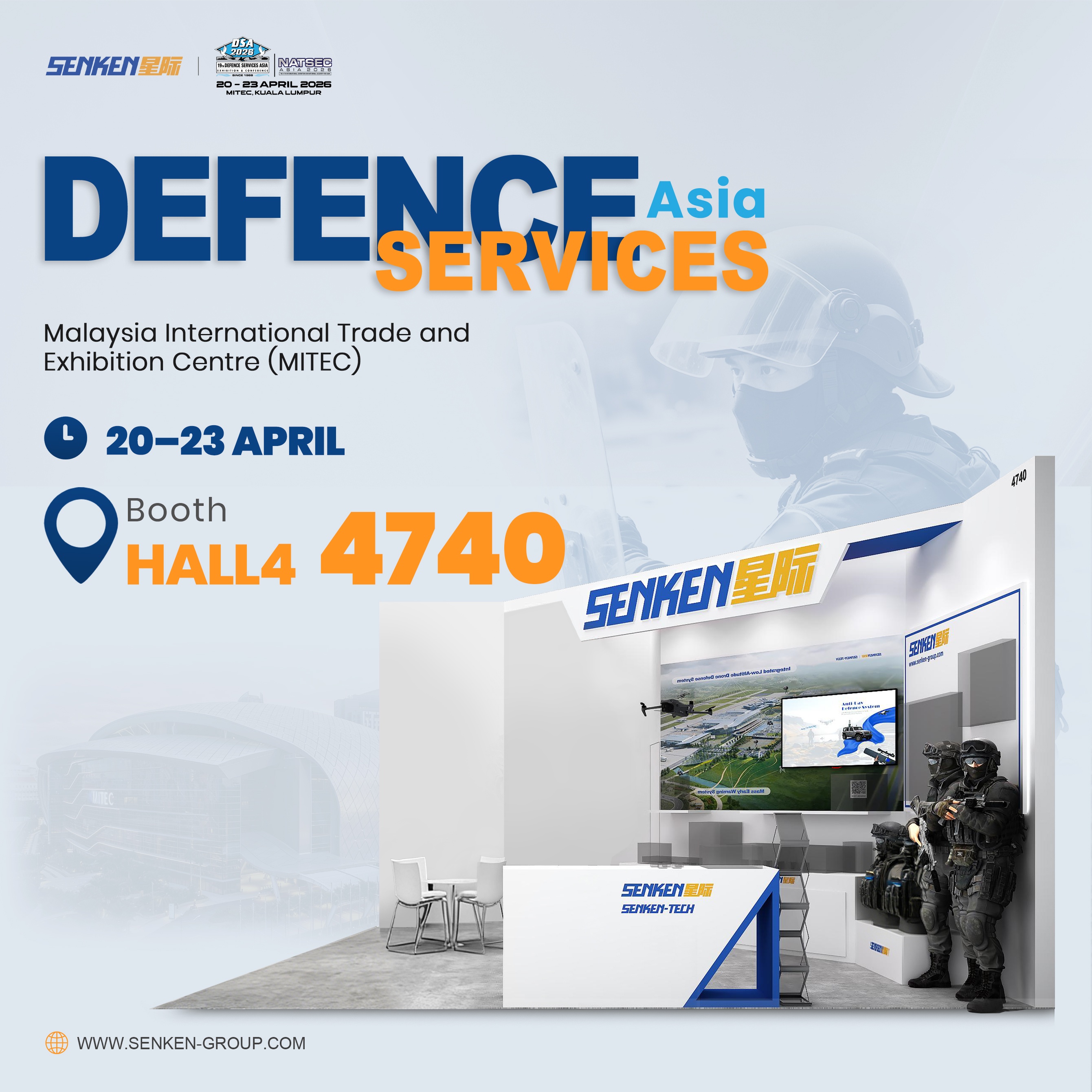 Senken at Defence Services Asia (DSA) & NATSEC Asia 2026
  SENKEN’s invitation:Warmly Welcome To 139th Canton Fair, We are at the booth of 10.3I19!
  SENKEN New Deployable Spike Strip LZ-J-XJ09
  Gathering New Quality Strength with SENKEN! SENKEN Group Invites You to Join Us at Nanjing CTSE 2026!
 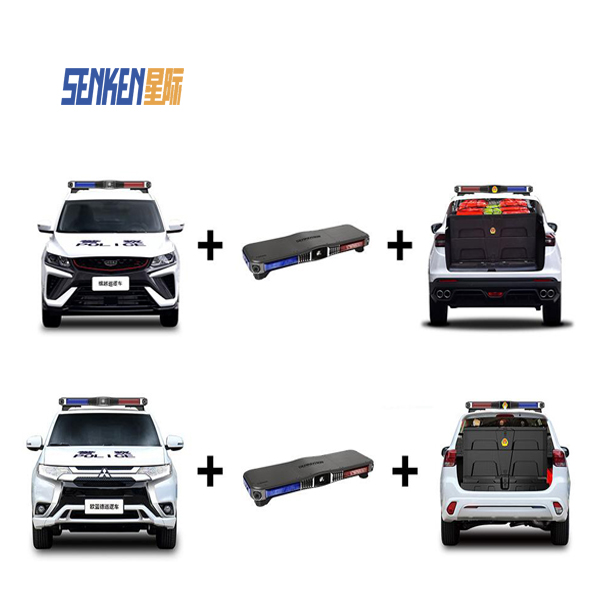 Good news! Senken Group Co., Ltd vehicle-mounted mobile patrol terminal has been selected for Zhejiang Province's "Top 100 AI Projects".
 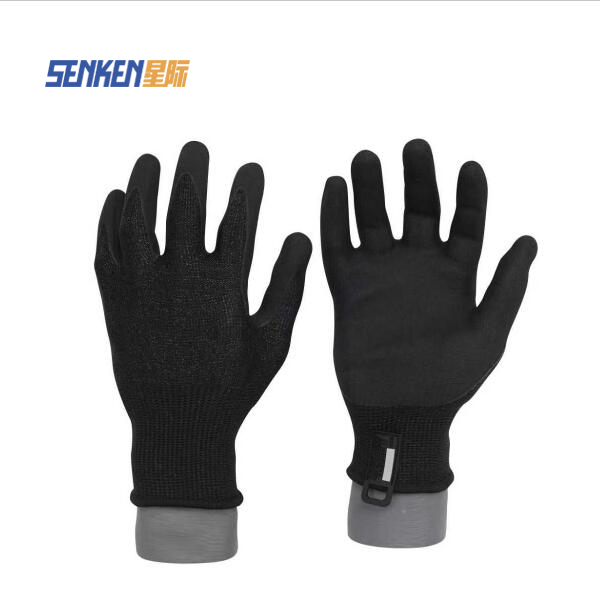 SENKEN Duty Gloves QWST-SK01
  Senken Kicks Off the New Year with Ambition and Vitality